
Your Cart is Empty
🛍️ FREE SHIPPING ON ORDERS $100+ · WE ARE CURRENTLY ONLY FULFILLING CONTINENTAL U.S. PURCHASES.
🛍️ FREE SHIPPING ON ORDERS $100+ · WE ARE CURRENTLY ONLY FULFILLING CONTINENTAL U.S. PURCHASES.


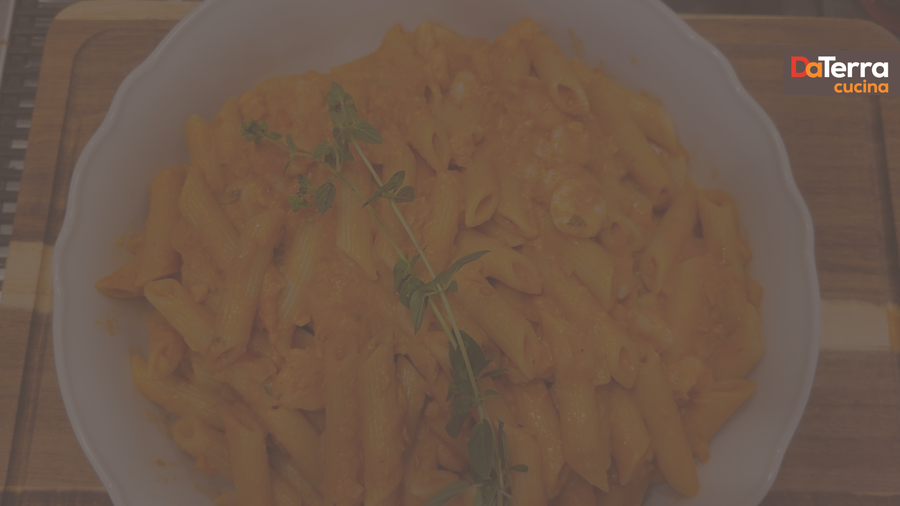
This version adds cooked shrimp, fresh oregano, Calabrian chili, and Grana Padano, bringing a little more heat and savory depth to the classic tomato-cream base. Everything comes together in a 13-inch DaTerra Cucina Fry Pan, giving the sauce enough room to simmer before the pasta and shrimp are tossed in at the end.
Despite becoming a familiar part of Italian-American restaurant menus, the exact origin of penne alla vodka remains debated.
One well-known Italian account traces the dish to the 1970s and a restaurant called Dante in Bologna. Other histories point to Italian-American restaurants in New York, while another important early reference comes from Italian actor and food writer Ugo Tognazzi. His 1974 cookbook L'Abbuffone included a spicy penne preparation made with tomatoes and vodka. By the late 1970s and 1980s, creamy vodka sauce had become especially popular in the United States.
So rather than giving penne alla vodka one definitive birthplace, it is more accurate to think of it as a pasta that developed during a period when Italian cooking and Italian-American restaurant culture were influencing each other.
And despite the Russian spirit in its name, penne alla vodka is not a traditional Russian pasta dish. Vodka is simply the ingredient that gives the sauce its distinctive character.
The vodka is not there simply for the name.
Alcohol interacts differently with certain flavor compounds than water and fat do. In a tomato sauce, a small amount of alcohol can help bring forward flavors and aromas from the tomatoes that might otherwise be less noticeable. It also contributes a subtle sharpness that balances the richness of cream.
That balance is one reason vodka sauce tastes different from an ordinary tomato-cream sauce even though the ingredient list looks very similar.
Here, only ¼ cup vodka is used against a full 28-ounce can of tomatoes and ½ cup of heavy cream. It works in the background rather than dominating the finished pasta.
Penne is particularly suited to a thick sauce like this one. The hollow centers collect sauce while the exterior gives the creamy tomato mixture plenty of surface to cling to.
The pasta is also deliberately cooked 1 to 2 minutes less than the package directions indicate. That final bit of cooking happens directly in the sauce.
This matters because the pasta is not simply being covered with sauce at the end. It is finishing in it.
The reserved pasta water also has an important job. Instead of adding plain water when the sauce becomes too thick, the recipe uses the starchy water left from cooking the penne. Adding it gradually helps loosen the sauce while keeping its creamy consistency.
This recipe calls for ½ teaspoon Calabrian chili powder or cayenne, continuing a spicy element that has long appeared in versions of pasta alla vodka.
Calabrian chilies come from Calabria in southern Italy and are known for bringing both heat and a distinctive chile flavor. Used in a small amount here, the chili cuts through the heavy cream and complements the acidity of the tomatoes.
Fresh oregano adds another savory note without turning the sauce into a heavily seasoned tomato sauce. The focus remains on tomato, cream, vodka, shrimp, and cheese.
Grana Padano has a history considerably older than penne alla vodka.
Its origins are tied to the Po Valley in northern Italy. The name grana refers to the cheese's characteristic grainy texture. Historical varieties were identified by their places of production, including Milan, Piacenza, Mantua, and Lodi. Today, Grana Padano is protected under the European Union's Protected Designation of Origin system, a status it received in 1996.
In this recipe, freshly grated Grana Padano provides saltiness and savory depth against the cream and tomatoes. The additional cheese served on top gives each person the option of making the finished pasta a little richer.
And then there is the shrimp.
Italian cooking is well known for traditionally being cautious about combining seafood and grated cheese. This recipe intentionally ignores that convention. The shrimp is mild enough to work with the creamy tomato sauce, while the Grana Padano becomes part of the overall sauce rather than overwhelming the seafood.

The finished pasta should have a creamy tomato sauce that coats the penne without becoming overly thick.
The onions should have nearly disappeared into the sauce. The Calabrian chili should provide noticeable warmth without overpowering the tomatoes. The shrimp should remain tender, and the Grana Padano should add a savory finish that rounds everything out.
Most importantly, serve the pasta immediately. Creamy pasta sauces naturally continue to thicken as they sit, so penne alla vodka is at its best while the sauce is still loose and glossy.
This Penne alla Vodka with Shrimp recipe is worth breaking the Italian rule against pairing fish with cheese. The tomato-vodka sauce and Grana Padano cheese taste delicious together with the shrimp.
This is also an excellent pasta without the shrimp.
Italian-made ceramic non-stick, perfect for building this sauce from start to finish in a single pan.
The generous 13-inch cooking surface gives the onions room to soften, the tomato-vodka sauce room to simmer, and enough space to finish the penne and shrimp together without crowding the pan.
Penne alla vodka may have a debated history, but the reason it has lasted is much simpler. Tomato, cream, chile, vodka, pasta, and aged Italian cheese work remarkably well together. Adding shrimp turns it into a satisfying dinner while keeping the preparation straightforward enough for a weeknight.
One pan for the sauce, one pot for the pasta, and dinner is ready to serve.